There’s a moment many people reach where they ask: “Should I pay off debt or invest instead?” It's not just about doing the math. It’s about how money fits into your life—how it affects your goals, comfort, and choices. While debt can feel restrictive, investing opens the door to potential growth. But neither option is perfect on its own. Choosing the right path means looking at your interest rates, the time you have, and how much uncertainty you’re willing to live with.
The Cost of Debt vs. Potential Returns
At the heart of the decision is a simple tradeoff: what your debt is costing you versus what your investments could earn. If you’re dealing with credit card debt charging 20% interest, it’s unlikely any long-term investment will consistently outperform that. Paying off this kind of debt gives you an immediate and reliable return. There’s no guesswork—you're saving money every month by eliminating interest charges.
Lower-interest debt is a different story. Mortgages, federal student loans, or auto loans often come with rates in the 3–6% range. When long-term investment returns hover around 7–10% annually (after inflation, a bit lower), the choice becomes less obvious. If the debt is manageable and the rate is low, investing might put you ahead over time. Still, there's no guarantee, especially in unpredictable markets.
That’s where individual comfort levels matter. Some people would rather take the safe win of eliminating interest payments. Others are okay with a bit of risk if it means more financial growth in the long run.
Emotional Security and Risk Tolerance
It’s not always about what’s smartest on paper. Money decisions are personal, and how you feel about debt matters. Some people feel trapped by it, even if it’s low-interest and technically manageable. That pressure can affect sleep, relationships, and the ability to enjoy other parts of life. Paying off a balance might not offer the highest return, but the peace of mind can be worth far more.
For others, debt is just a tool. As long as it’s under control and part of a larger financial plan, they don’t mind carrying it. They’d rather put extra funds into investments that have the potential to grow. These people may be more comfortable with short-term risk and willing to wait for long-term gains.
Understanding how you react to financial stress is key. It’s not always rational, but it is real. If investing while holding debt makes you anxious or unsettled, it could weaken your commitment to the plan. On the flip side, if being debt-free makes you feel secure and focused, that clarity can be just as valuable as any market return.
Balancing Both Strategies
This doesn’t have to be an either-or decision. Many people succeed with a mix of both approaches. For example, if you have high-interest debt, directing extra money toward repayment makes sense. But you can still invest small amounts at the same time—especially if your employer offers a retirement plan with matching contributions. That’s essentially free money, and passing it up is a setback.
Once high-interest debt is paid off, you might shift the balance toward investments. But even during the repayment phase, you can build momentum by saving for emergencies. A basic cash buffer helps avoid falling back into debt when the unexpected happens—car repairs, medical bills, or job changes. This creates stability, which gives both your repayment plan and investment strategy room to grow.
Some choose to automate both: a fixed amount goes to debt, and another to investments. This split approach keeps things moving in both directions, even if the progress is slow at first. Over time, small consistent steps add up.
Personal Goals and Time Horizons
Deciding where your money should go isn’t just about the numbers—it’s about what you want to do with your life. If you’re planning a major expense in the near future—a home purchase, a child's education, or a career change—reducing debt might give you more breathing room. Being less tied down by monthly payments offers more flexibility when making life changes.
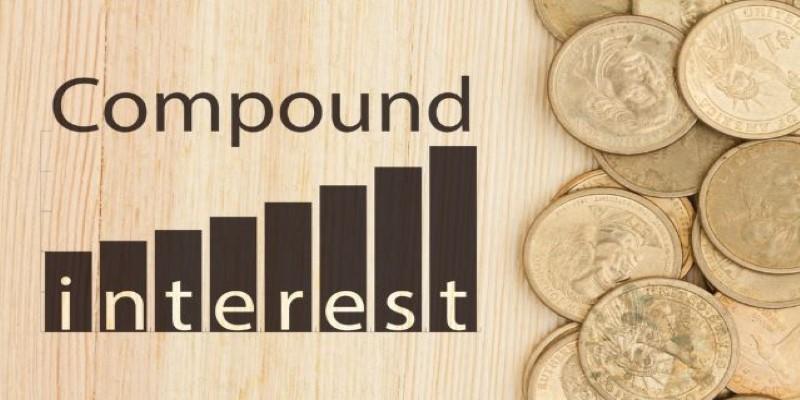
On the other hand, if retirement is 30 years away, that's a lot of time for investments to grow steadily and consistently. Compound interest does most of the work in long time frames. In these cases, even modest contributions can build a large nest egg over time. Prioritizing investment over low-interest debt becomes more attractive when you have the time and patience to let returns accumulate.
That said, time doesn’t fix everything. Risk tolerance still matters. The stock market can dip right when you need money most. That’s why even long-term investors often keep a mix of assets, maintain liquidity, and avoid putting everything into high-risk or volatile choices.
Your financial plan should reflect your personal timeline. What makes sense for a 25-year-old just starting out might not be right for someone in their 50s looking for more security and stability. Aligning your strategy with your goals helps ensure that your money works for the life you’re building—not just for the best spreadsheet outcome or the highest possible return in theory.
Conclusion
There’s no single answer to whether you should pay off debt or invest. The best decision depends on the kind of debt you have, the potential returns you expect, and how you personally feel about financial risk. High-interest balances usually deserve priority. But if your debt has a low rate and doesn’t cause stress, investing can make more sense—especially when time is on your side. Many people find that doing a little of both creates balance. Your goal isn’t just to beat the market or erase every loan. It’s to build a plan that fits your life, feels manageable, and leads to lasting financial progress.