Some places feel like they were made for romance. Tuscany isn’t flashy, but it doesn’t need to be. There’s a quiet confidence to its soft hills, warm stone villages, and golden light. If you're planning your Italy honeymoon itinerary and wondering where to slow down, reconnect, and find a little peace together after the excitement of a wedding, this is the place.
It's not about packing in sights or hopping trains every day. Tuscany invites you to stay a little longer, eat a little slower, and let each day unfold without pressure. This itinerary is about that feeling—simple, grounded, and just right.
A Week in Tuscany: Day-by-Day
Day 1–2: Florence – Art, Bridges, and Morning Walks
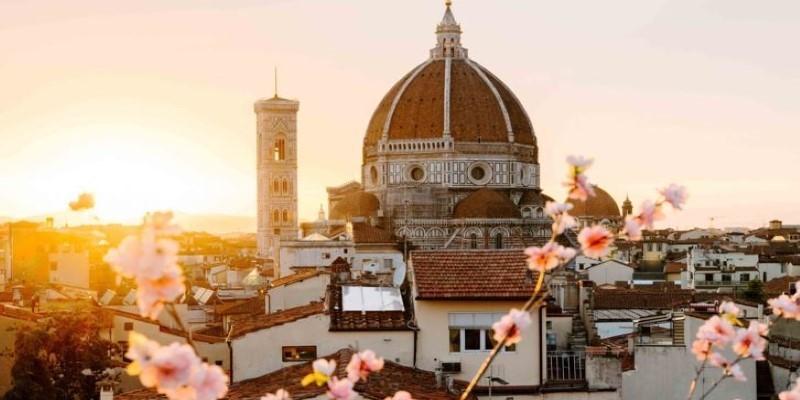
Start in Florence. Not because it's busy or famous, but because it gives you a soft landing in the Tuscany region. It's compact, walkable, and deeply beautiful in a way that doesn't try too hard. Spend your first evening on the Ponte Santa Trinita—not the crowded Ponte Vecchio—watching the sun drop behind rows of ochre buildings. The next morning, wake up early and stroll through the quiet city while it's still yours.
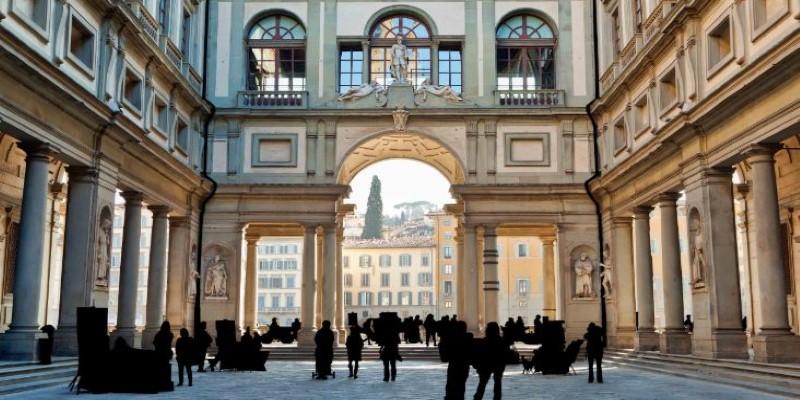
Pick just a few things to do. Climb to Piazzale Michelangelo, visit the Uffizi if you love art, or just wander from gelato stop to gelato stop. Have lunch at a café in Oltrarno and skip the overbooked restaurants with long lines. The goal here isn’t to see everything—it’s to feel present. Florence is also the easiest place to pick up a rental car before heading into the countryside.
Day 3–5: Val d'Orcia – Slow Roads and Small Towns
This part of the itinerary turns down the volume. The Val d’Orcia is the Tuscany you’ve seen in quiet photographs—rolling fields, cypress-lined roads, and little stone villages like Pienza and Monticchiello. Stay in an agriturismo just outside town, where mornings begin with homemade pastries and views of early fog rolling through the valleys.
Drive at your own pace. Pienza is known for its pecorino cheese and peaceful little squares. Walk hand in hand through its narrow streets, stop at a terrace café, and take your time. From there, visit Bagno Vignoni, where hot springs have bubbled up in the middle of a tiny square since Roman times. If you want to soak, head to nearby thermal baths at San Casciano dei Bagni or Rapolano Terme.
Sunsets here are long and unhurried. Bring a bottle of local olive oil or honey back to your room and sit outside in the evening light, maybe with fresh bread and a good view of the hills.
Day 6: Montalcino and Montepulciano – Hilltop Traditions
These two towns are known for their wine, but that's only part of their charm. Montalcino is quieter than you'd expect. Park outside the city walls and walk up to the fortress for views that stretch for miles. Montepulciano, a little larger, features steep streets and grand stone buildings that reflect a rich, layered history.
Both towns offer small tasting rooms, family-run shops, and slow lunches in hidden courtyards. Even if wine isn’t your thing, the local food is reason enough to stop. Try the hand-rolled pici pasta with a simple tomato sauce or truffle shavings in the fall.
This part of the Tuscany region has a different rhythm. People say buongiorno in the street and mean it. Life is measured by the season, not the clock. It rubs off on you.
Day 7: Return to Florence or Continue On
Depending on your plans, you can either drive back to Florence for a final night or head onward. Some couples add a few days in Rome or the Amalfi Coast after Tuscany. But many say the countryside is what stays with them the longest. If your flight leaves late in the day, stop for lunch in Greve in Chianti on the way back—a small town with one last perfect piazza to sit in before you go.
Where to Stay, What to Eat, and How to Get Around
Where to Stay?
For this kind of trip, comfort means calm and charm, not luxury for its own sake. In Florence, find a small guesthouse in the Oltrarno district or a boutique hotel near Piazza della Repubblica. In the countryside, stay in an agriturismo—working farms that offer simple but lovely rooms, home-cooked meals, and honest hospitality. Some have pools with views of the valley, others are tucked deep in olive groves or vineyards. You won’t need much else.
What to Eat?
Tuscany isn’t fussy. Meals are unpretentious and built on seasonal ingredients. In Florence, try ribollita—a thick bread and vegetable soup—or a plate of tagliatelle with porcini mushrooms. In the hills, meals tend to stretch out: local cured meats, wild boar, grilled vegetables, and cakes filled with fig or chestnut.
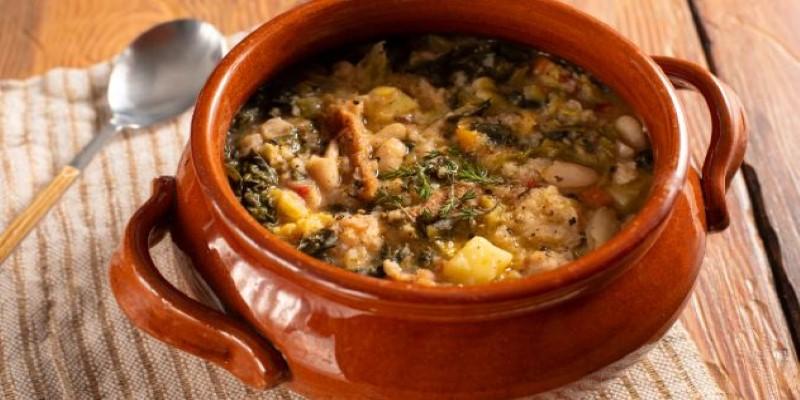
Skip the fixed menus and find a place where the host tells you what’s fresh today. Eat lunch late and dinner slowly. If you find a place you love, go twice.
How to Get Around?
You’ll need a car once you leave Florence. The roads are easy to drive, and distances are short. GPS is helpful, but it can lead you down some odd farm roads—trust your instincts. Parking is usually available outside town centers, and walking is part of the charm.
If you're not confident behind the wheel, consider staying in one place in the countryside and arranging day tours. But for full flexibility and the joy of pulling over when a view stops you in your tracks, driving is worth it.
A Quiet Celebration of the First Days
This Italy honeymoon itinerary through the Tuscany region isn’t built on sightseeing checklists or busy schedules. It’s a slow pause after the rush of a wedding, filled with quiet mornings, countryside drives, and shared meals that stretch into golden evenings. Tuscany doesn’t shout for attention—it offers space to breathe, to walk through quiet towns, to notice the soft light on stone walls. You won’t leave with a thousand photos. You’ll leave with small, lasting moments: the sound of church bells, the scent of herbs in the air, and the calm of simply being together. That’s what makes it unforgettable.