Pedicures are not only about polished nails, but they also help with foot cleanliness, keep the skin clean, and provide soothing benefits. Secondly, visiting a salon allows for receiving professional services that can soften hard skin and be beneficial to overall health. Noncompliant methods or nonhygienic systems, however, may pose a danger. Knowledge of the benefits, types, and safety is essential for a safe and enjoyable pedicure experience.
Understanding Pedicures
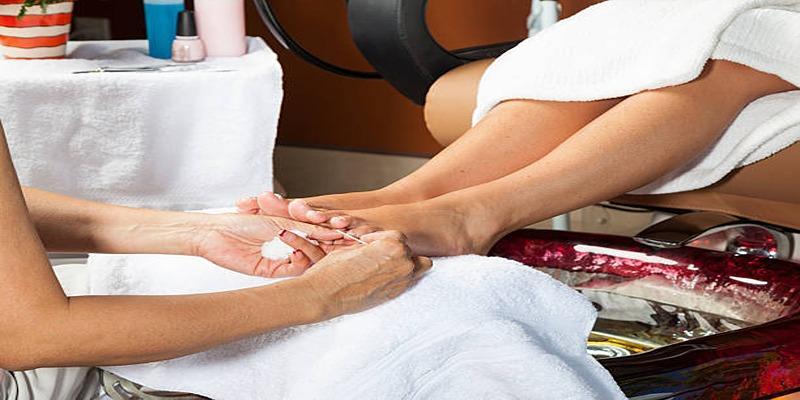
A pedicure is a professional service designed to care for the feet and toenails. It is generally a foot renovation process that includes a warm water bath, removal of dead skin, clipping and shaping of nails, cuticle care, skin care, and the application of a polish or coating to the foot.
Other salons offer additional services, such as foot masks and paraffin wax treatments, and can also work with the muscles and pressure points on the feet. The cosmetic result may be clear; however, pedicures play a vital role in preserving foot hygiene, preventing infections, and promoting overall foot health.
Key Benefits of Pedicures
Pedicures have numerous values not only in appearance. These benefits contribute significantly to the decisions individuals make regarding their foot care practices.
Improved Foot Hygiene
Regular pedicures help remove dirt, bacteria, and dead skin from the feet. This cleaning process addresses unpleasant odors and minimizes the risk of bacterial growth, particularly in areas that tend to retain moisture.
Enhanced Nail Health
The combination of trimming and shaping nails during a pedicure minimizes the risk of ingrown nails and uneven nail growth. There may also be signs of nail problems early on that can be treated before the nail problem becomes serious and requires the attention of professional technicians.
Softer, Healthier Skin
Bathing and hydrating therapies help smooth and soften dry skin, promoting cellular renewal and rejuvenation. The cracks and calluses will also be minimized with the help of foot scrubs, masks, and paraffin treatment, keeping the skin soft and moist.
Abilities in Breathing, relaxation, stretching, and calming
Pedicures involve massages of the lower leg and foot that stimulate nerve endings and promote blood circulation. Such methods will help reduce tension, increase relaxation, and provide mental refreshment.
Increased Circulation
Spa and massage can aid the flow in the feet, which may ease slight swelling and benefit the overall well-being of the lower limbs. Proper circulation facilitates quicker healing of the minor injuries.
Common Pedicure Types
Salons offer dozens of different pedicure formats available regarding individual preferences, skin type, and foot condition:
- Classic Pedicure: The conventional form of treatment involves nail removal, cuticle care, exfoliation, moisturization, and polish application. It is perfect when it comes to ensuring aesthetic and general foot health care.
- Spa Pedicure: A modern variant of a traditional pedicure, spa treatments also include foot massages, exfoliating masks, aromatherapy, and warm foot soaks to create a high-end experience.
- Paraffin Wax Pedicure: This treatment softens rough skin, helps employees feel hydrated, and can relieve tired or sore feet. Warm paraffin is also beneficial in enhancing skin texture and providing gentle therapeutic heat.
- Gel Pedicure: The gel nail polish provides a long-wearing coating that resists chipping for several weeks. Gel pedicures take a long time, but they must be removed carefully to prevent damage to the nails.
Understanding the Risks of Pedicures
These therapies are specifically designed to achieve hygiene and care for individuals with special needs in their feet. Nails and corns are thickened, whereas other problems of the foot are handled with precision techniques by trained professionals.
Germs: Bacterial, Fungal, and Mycosis
Freely uncleaned equipment or foot baths may provide an opportunity for infection. Simple scratches or breakages may also become entry points for pathogens if the instruments are not clean.
Skin Sensitivity or Irritation
Knowledge overdraft or abrasivity of chemicals could result in redness, itching, or rashes. Individuals with sensitive skin should be attentive and report any concerns to the technician.
Allergic Reactions
Polishes, gels, scrubs, and other items in the Chermas collection can cause an allergic reaction. It can be such that swelling, itching, or discoloration of the skin are the symptoms.
Selecting a Safe Salon
Performing a poor excision of corns or applying inappropriate treatments for calluses can exacerbate the issue and lead to increased pain. A pedicure should be guided by professional advice for clients with skin or nail abnormalities.
Potential issues in circulation
Precautions must be followed in individuals with circulation or vascular issues, as not all massage techniques may be applicable unless the person is aware of them beforehand.
Selecting a Safe Salon
It is essential to choose a reputable salon and minimize the risks to the maximum, thereby maximizing the positive effects of a pedicure. Take into account such considerations:
Hygiene and Sanitation
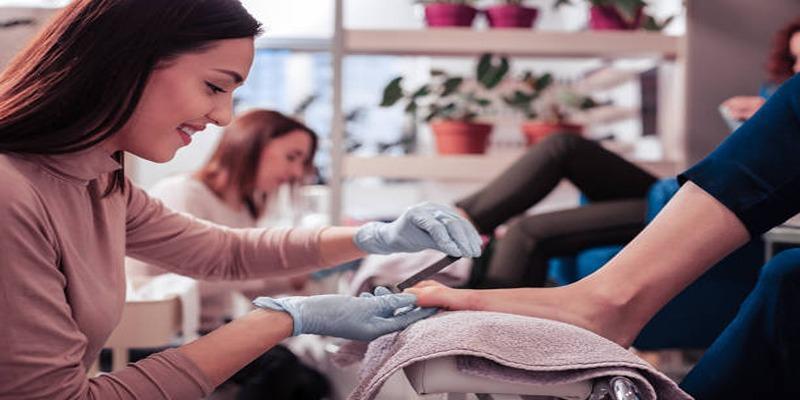
Ensure that the salon cleans and disinfects the foot bath, tools, and equipment properly. One even adds disposable liners and single-use instruments, which make it even safer.
Professional Training and Certification
Providing formal training on hygiene measures and nail treatments, along with ensuring client safety, should be considered a key task for technicians. The certifications mean that the personnel are trained and qualified.
Quality Products
The products that should be used should be of high quality and non-toxic, with relevance to the various skin types. To maintain high-quality products and ensure their safety, it is essential to store them properly and replace them when their expiration date is reached.
Home Care for Pedicure Maintenance
Maintaining pedicure results at home is essential, even when using professional salon services. On the following practices, think:
- Daily Foot Hygiene: Dry your feet thoroughly with a towel every day to prevent bacterial and fungal infections.
- Regular Moisturizing: Apply foot creams or lotions regularly to maintain soft, hydrated skin.
- Proper Nail Trimming: Always maintain a moderate length of toenails, shaping them in such a way that they do not become ingrown.
- Prevent skin hyperirritation: Use the minimum amount of scrubbing and avoid skin injuries and irritations.
- Breathable Footwear: Wear shoes and socks that allow airflow and prevent the buildup of moisture that can damage your feet.
- Monitor Foot Changes: Be aware of signs of irritation, swelling, or infection, and consider consulting a professional if these symptoms occur.
Conclusion
Pedicures are a harmonious combination of cosmetic care, relaxation, and foot health management. When performed in a clean and professional environment, they offer a wide range of benefits, including improved nail and skin health, stress relief, and aesthetic satisfaction. Awareness of potential risks, careful selection of reputable salons, and consistent home care practices ensure that pedicures remain safe, enjoyable, and beneficial.